13 Cost Factors That Affect Ceiling Renovation Quotes, A Homeowner Checklist
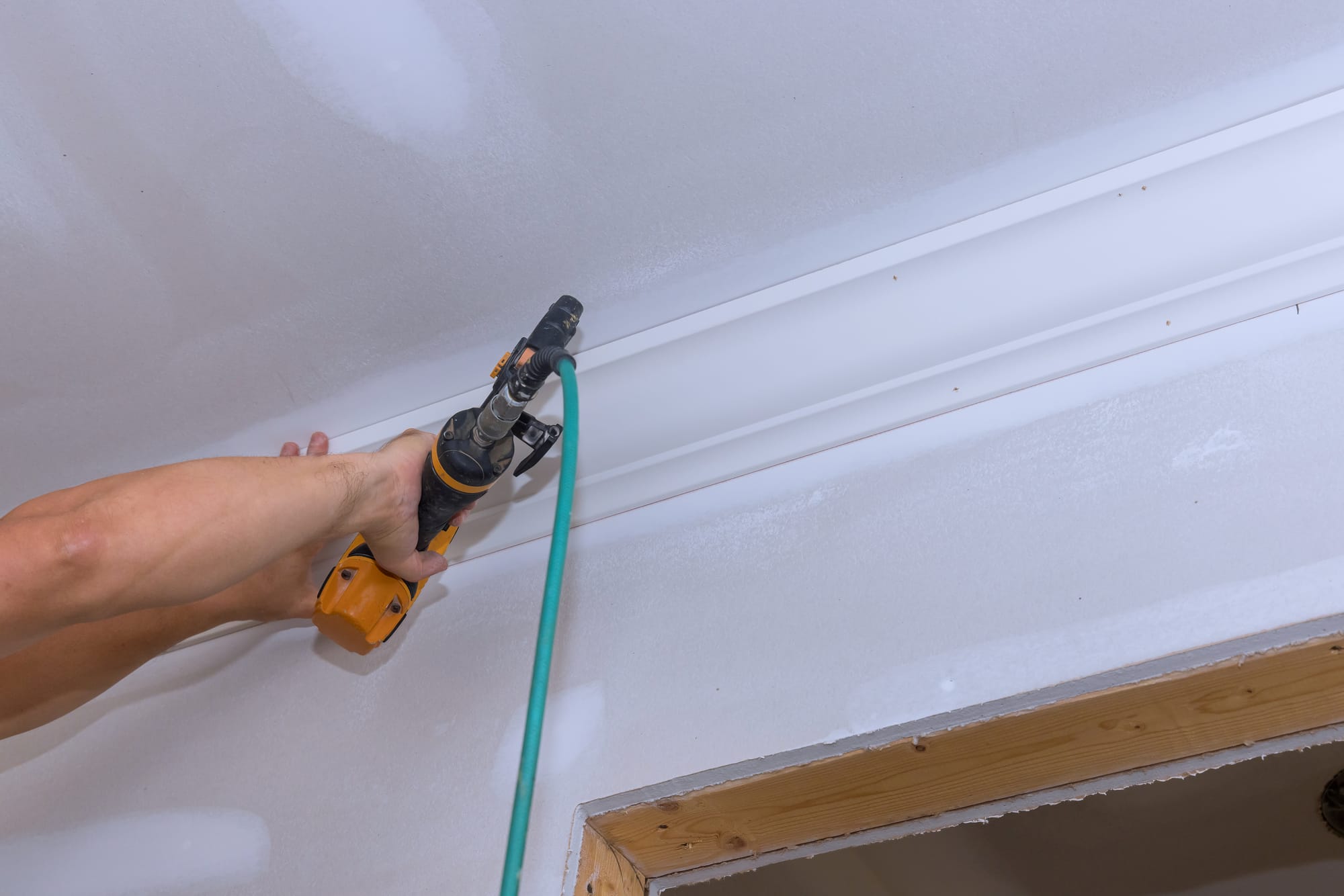
Ceiling upgrades can make a room feel taller, brighter, and more refined, especially when paired with well fitted cornices. Yet many homeowners are surprised when two ceiling renovation quotes for the same room come in far apart. The difference is usually not guesswork, it is the result of specific cost factors that contractors must price in.
Use this homeowner checklist to understand what drives pricing, compare quotes fairly, and spot missing items before work begins. Below are 13 cost factors that commonly affect ceiling renovation quotes, plus a practical checklist you can use before you approve a scope.
- 1) Ceiling size and room layout
Bigger ceilings need more materials, more time, and more access equipment. Layout also matters. Open rectangles are faster. Multiple zones, bulkheads, alcoves, or irregular shapes increase cutting, setting out, and finishing time, which raises labor costs.
- 2) Ceiling height and access
Higher ceilings often require scaffolding, taller ladders, extra safety precautions, and more people on site. Limited access, such as narrow stairs or tight hallways, can increase setup time and risk. These realities usually show up as higher labor and equipment lines.
- 3) Existing ceiling condition
If the current ceiling has sagging, cracks, water staining, loose sheets, or historic plaster issues, prep work increases. Stabilizing and repairing a failing substrate before the new finish or cornice goes on can be a major part of the quote, and it is necessary for durability.
- 4) Demolition and disposal requirements
Removing old cornices, damaged plaster, ceiling tiles, or insulation takes time. Disposal costs can also be significant, especially if waste needs special handling or multiple trips. Contractors may include skip hire, tipping fees, and protection for nearby finishes in this line item.
- 5) Material choice, plasterboard, plaster, timber, or specialty panels
Material selection drives price and performance. Standard plasterboard is usually economical. Traditional plaster repairs can be more labor intensive. Moisture resistant boards cost more but suit bathrooms. Acoustic panels and decorative feature materials increase supply costs and may require specialist installation methods.
- 6) Cornice style, size, and detail level
Cornices vary from simple cove profiles to ornate patterns with deep projection. More detail typically means more cutting accuracy, more time at joints, and often higher material cost. Larger profiles can also require additional fixing points and careful alignment to keep lines crisp.
- 7) Number of corners, curves, and mitres
Every corner is a join that needs accurate cutting, setting, and finishing. Curved walls or custom radius sections require advanced shaping and a slower installation pace. Straight runs are quicker, while rooms with many angles, feature walls, or returns tend to increase the quote.
- 8) Ceiling features, lights, vents, sprinklers, and access hatches
Downlights, pendant points, HVAC vents, speakers, and manholes all require precise cutouts and careful finishing. Sometimes these fittings must be temporarily removed and reinstalled. If electrical or HVAC trades are involved, coordination adds time and can add separate trade costs.
- 9) Moisture, mold, and leak remediation
Mold, humidity damage, or active leaks must be addressed before cosmetic work. Contractors may include mold treatment, drying time, replacement of affected materials, and sealing primers. If a leak source is not resolved, a quality contractor may exclude warranty on finishes until it is fixed.
- 10) Level of finish expected, patch only vs full skim
Quotes vary depending on the finish standard. A basic repair may be adequate for low traffic areas. A full skim coat, meticulous sanding, and high level paint preparation creates a premium result but costs more. Clarify what “ready for paint” means in the quote.
- 11) Painting and decorating scope
Some quotes cover only ceiling and cornice installation. Others include priming, painting, and cutting in to walls. Paint type matters too, such as stain blocking primers, mold resistant coatings, or premium matte finishes. Confirm the number of coats and the brand or specification.
- 12) Timeline, after hours work, and site restrictions
Fast turnaround projects can increase costs because teams may need to add labor or compress drying times responsibly. Work in occupied homes, offices, hotels, or commercial spaces may require after hours scheduling, protection of furniture, noise limits, and strict cleanup requirements.
- 13) Warranty, craftsmanship level, and insurance coverage
Experienced specialists may cost more, but they often deliver straighter lines, cleaner joints, and longer lasting results. Public liability insurance, workers coverage, and written warranties can add overhead, yet they protect you. Compare not just price, but risk and accountability.
Homeowner checklist, what to confirm before accepting a quote
- Scope clarity:
Does the quote list each room, ceiling area, and cornice type, including sizes or profile names?
- Preparation:
Is surface prep included, such as scraping, crack treatment, bonding agents, or substrate repairs?
- Demolition and disposal:
Are removal, loading, and waste fees clearly included, and is your site protected during the process?
- Inclusions vs exclusions:
Are painting, electrical disconnection, reinstallation of fittings, and patching around penetrations included or excluded?
- Finish standard:
Does “ready for paint” or “Level finish” specify sanding, skim coating, and tolerance for joins under lighting?
- Moisture issues:
If there is staining, is the cause identified, and are sealing primers or mold treatments included?
- Timeline:
Is there a start date, duration, and allowance for drying times between coats or plaster stages?
- Variations:
How will unforeseen repairs be priced, and will you receive approval before extra work starts?
- Warranty and insurance:
Are warranty terms written, and can the contractor provide proof of insurance on request?
When you compare ceiling renovation quotes using the same checklist, you can judge value with confidence. A complete quote should read like a plan, not a guess, and it should leave you with a ceiling and cornice finish that looks intentional, refined, and built to last.